Solar Panel Installation Pakistan: What a Professional Job Looks Like
Getting solar panel installation Pakistan homeowners can trust is less about the panels on the roof and more about the craftsmanship behind them. Two houses can buy identical equipment, yet one system quietly produces 20% more energy for a decade while the other leaks yield through bad angles, loose connectors, and voltage drop. The difference is the install. This 2026 guide walks through exactly what a professional installation should include, from the first site survey to the final commissioning report, so you can judge quality before you sign anything.
Across Islamabad, Lahore, and Karachi, demand has surged and so has the number of installers. Some are excellent. Many are not. Knowing what a proper job looks like is your best protection.
The Site Survey Comes First
No credible installation starts without a physical site survey. A technician should measure your roof, check its structural condition, map shading through the day, and study your electricity bills to understand your load pattern. Skipping this step is the clearest red flag that a company is selling a template instead of a solution.
During the survey, a good team assesses roof orientation, tilt, available area, and the route for DC and AC cabling. They also confirm whether your existing wiring and distribution board can handle the new system. Reputable providers of solar panel installation Pakistan treat this survey as non-negotiable groundwork.
What the Survey Should Produce
- A shading analysis showing production losses at different times of day.
- A recommended panel layout and string configuration.
- An honest estimate of annual generation for your specific roof.
- A list of any electrical upgrades your home needs first.
Mounting: The Foundation of a Long-Lasting System
Panels sit on your roof for 25 years, through monsoon, dust storms, and brutal summer heat. The mounting structure has to survive all of it. Professional installers use corrosion-resistant aluminium rails, stainless fasteners, and properly sealed roof penetrations that will not leak into your ceiling after the first heavy rain.
Tilt and orientation matter enormously in Pakistan. Panels facing roughly south at a tilt near your latitude capture the most annual energy. A lazy install that simply lays panels flat to save on framing can cost you a meaningful chunk of production every single year.
| Install Factor | Professional Approach | Cut-Corner Approach |
|---|---|---|
| Tilt angle | Optimised near local latitude | Flat to save framing cost |
| Roof penetration | Sealed and flashed | Bare bolt through membrane |
| Cable routing | Clipped, UV-rated, in conduit | Loose cable across roof |
| Earthing | Dedicated grounding kit | Skipped or improvised |
| Commissioning | Tested with written report | Switched on and left |
Wiring, Protection, and Accessories
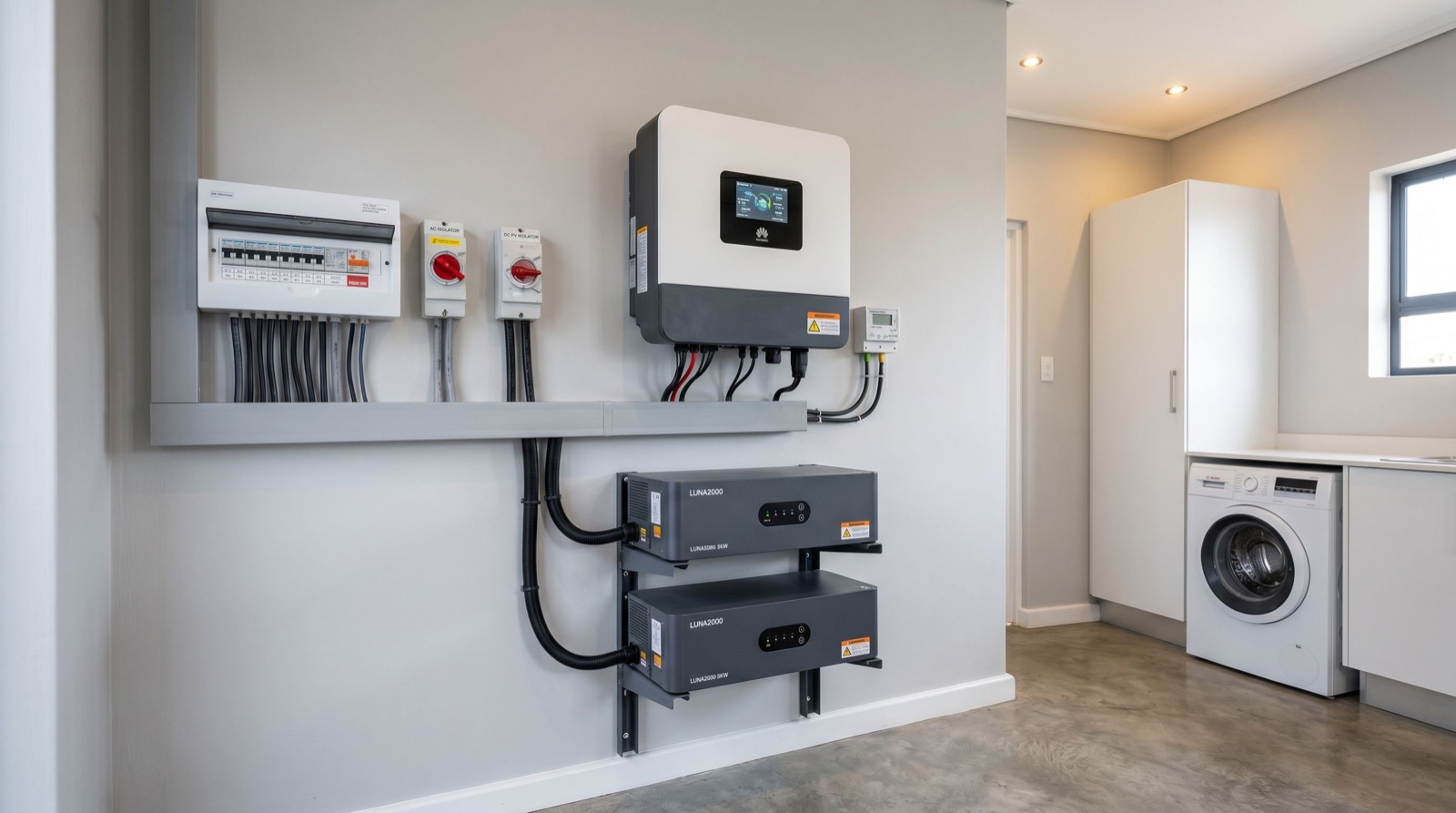
Behind the panels sits the wiring that makes or breaks the system. Professional crews use correctly sized DC cable to keep voltage drop low, weatherproof MC4 connectors, and both DC and AC protection rated to the system. They add surge protection where lightning is a risk and label every breaker clearly.
Quality solar accessories in Pakistan are what keep an installation safe for its full lifespan. Undersized cable heats up and wastes energy; poor connectors corrode and create dangerous hotspots. A trustworthy installer itemises these components rather than hiding them in a lump-sum price.
How Long Does a Solar Installation Take?
This is one of the most common questions, and the honest answer is that it depends on system size and roof complexity. A straightforward residential system of 5 to 10 kW is typically installed in one to three working days once materials are on site. Larger commercial jobs, or roofs needing structural work, take longer.
What should never be rushed is commissioning. After the hardware is up, the installer must test string voltages, verify inverter settings, confirm earthing, and demonstrate the monitoring app to you. Choosing quality service providers means you get a documented handover, not a hurried thumbs-up on the way out the gate.
Net Metering and Documentation
If you want to export surplus power, your installer should handle the net-metering application and supply the compliant documentation your distribution company requires. Solar power fundamentals and best practices are well documented by international bodies, and the technical resources published by the U.S. Department of Energy offer a useful benchmark for what a clean installation should achieve. A professional team keeps records you can hand to authorities or a future buyer of your home.
Signs You Have Hired the Right Installer
Beyond the technical checklist, a few behaviours reliably separate professionals from opportunists:
- They visit before quoting and refuse to price blind.
- They provide a written scope listing panels, inverter, and every accessory.
- They explain warranty terms for both equipment and workmanship.
- They offer post-installation support and monitoring.
- They show you completed local projects you can verify.
If a company dodges the site visit, quotes suspiciously low, or cannot show past work, walk away. The cheapest bid usually becomes the most expensive system once you factor in lost production and repairs.
Maintenance After Installation
A good installation is designed to be easy to maintain. Panels should be reachable for cleaning, the inverter should sit in a shaded, ventilated spot, and connections should be accessible for annual checks. Dust is the biggest enemy of yield in Pakistan, so a quick rinse every few weeks during dry months keeps production high. Your installer should leave you with a simple maintenance schedule.
Frequently Asked Questions
Does my roof need to be inspected before installation?
Yes. A structural and shading assessment is essential. It confirms your roof can bear the load, identifies shading losses, and determines the best panel layout for your specific home.
Will installation damage my roof?
Not when done properly. Professional installers seal and flash every penetration so the roof stays watertight. Damage only occurs when crews skip sealing to save time, which is why workmanship matters.
Can I use my own panels and just hire installers?
Often yes, but the installer must verify your equipment is compatible and covered by warranty. Many reputable companies prefer to supply matched components so they can guarantee the complete system.
What happens at commissioning?
The installer tests voltages, configures the inverter, verifies earthing and protection, and demonstrates monitoring. You should receive a written commissioning report confirming the system meets specification.
Getting Solar Panel Installation Pakistan Can Rely On
A solar array is a 25-year asset, and its performance is locked in on installation day. Insist on a real site survey, quality mounting and accessories, proper protection and earthing, and a documented commissioning handover. Verify the installer’s past projects, understand your warranties, and never let a low bid tempt you into a corner-cut job.
Ready to move forward? Book a professional site assessment, ask for an itemised scope of work, and choose an installer who stands behind both the equipment and the workmanship. Do that, and your system will quietly pay you back for decades.