Solar Installation in Quetta: 2026 Step-by-Step Guide
A well-planned solar installation in Quetta can slash a household’s reliance on an unreliable grid while turning the region’s clear, high-altitude sunlight into steady savings. Quetta sits at elevation with cool air and bright skies for much of the year, a combination that actually helps panels perform, since photovoltaic modules produce more efficiently when they stay cool. This 2026 guide walks you through the installation process from first survey to final switch-on.
Whether you manage a single home, a rental portfolio or a small commercial unit, understanding each stage helps you ask sharper questions, avoid padded quotes, and end up with a system that earns its keep for decades.
Why Solar Installation in Quetta Pays Off
Quetta’s climate is quietly ideal for solar. The high desert delivers long hours of strong, direct sunlight, and the cooler ambient temperature means panels avoid the heat-related output losses common in the plains. Add frequent grid instability, and self-generation becomes less a luxury than a practical necessity.
The financial case rests on three pillars:
- High solar yield: abundant clear days maximise daily generation.
- Cool-climate efficiency: lower panel temperatures protect output.
- Grid independence: less exposure to outages and tariff hikes.
Partnering with a specialist in solar installation in Quetta ensures the design accounts for local wind loads, winter snow and the region’s specific sun path rather than a one-size-fits-all template.
The Installation Process, Step by Step
A professional project follows a predictable sequence. Knowing it lets you track progress and spot any installer who tries to skip a stage.
- Site survey: a technician measures roof area, orientation, shading and structural strength.
- System design: panel count, inverter size and layout are modelled to your consumption.
- Formal quote: named components, warranties and timeline in writing.
- Mounting and wiring: rails fixed, panels secured, cabling run to the inverter.
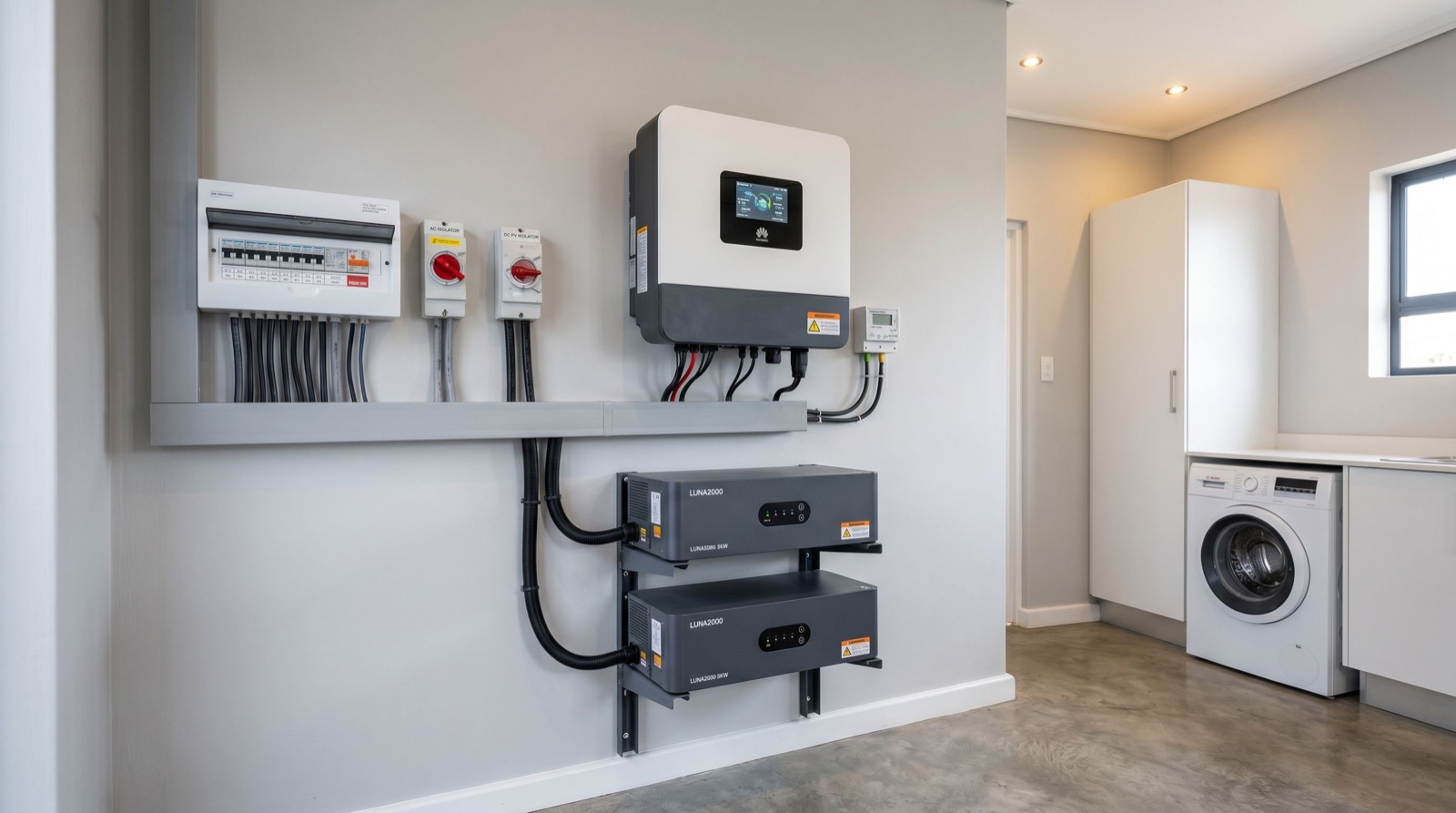
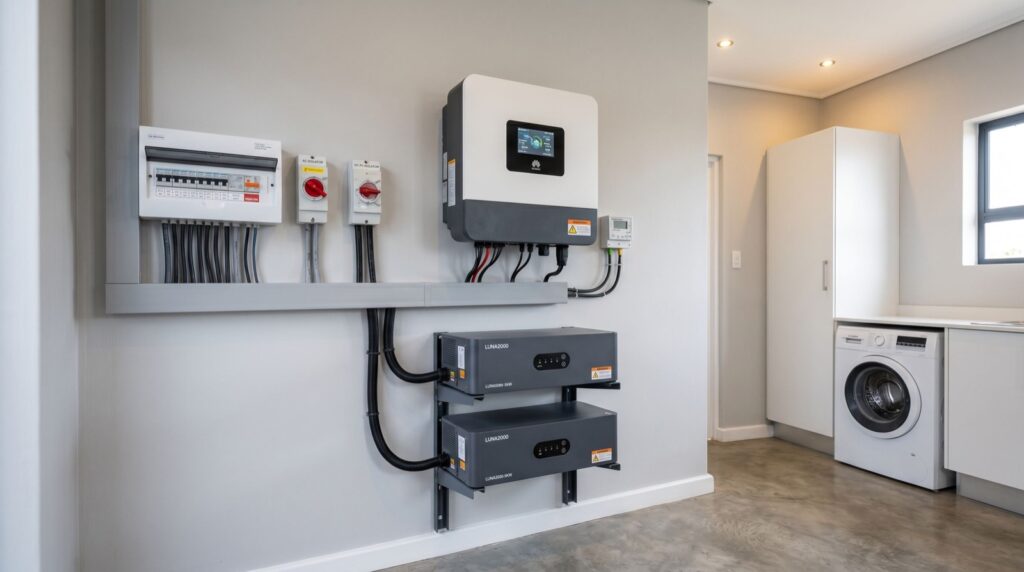
- Inverter and safety gear: isolators, surge protection and earthing installed.
- Net-metering application: paperwork filed with the distribution company.
- Commissioning: testing, a performance report, and handover.
Typical Timeline and Cost Drivers
| Stage | Typical Duration | What Affects Cost |
|---|---|---|
| Survey & design | 2–4 days | Roof complexity |
| Hardware procurement | 3–7 days | Panel & inverter brand |
| Physical installation | 1–3 days | System size |
| Net metering & approval | 2–4 weeks | Documentation quality |
The physical work is often the fastest part; approvals take longest. An experienced installer prevents delays by submitting complete, correct paperwork the first time.
Comparing Regional Installations
Design priorities shift with geography. In the capital, a solar installation in Islamabad must handle monsoon drainage and a steeper seasonal tilt, whereas a Quetta system is engineered for cold snaps, occasional snow load and intense high-altitude sun. The same hardware can perform very differently depending on how well the mounting and tilt match the local conditions.
Financing and Return on Investment
Solar is a capital project with a clear payback, and treating it like any other investment keeps expectations realistic. In Quetta’s strong-sun environment, a quality on-grid system commonly recovers its cost within four to six years, after which the electricity it produces is essentially free for the remaining warranty life.
Independent research on long-term solar economics is published by the National Renewable Energy Laboratory (NREL), a U.S. government research centre whose cost and performance data illustrate how dramatically PV economics have improved. Those gains flow through to local buyers in the form of cheaper, longer-lasting systems.
If you are weaving a solar purchase into a broader savings plan, our guide from trusted professionals explains how to budget a large upgrade without straining monthly cash flow.
Choosing the Right Installer
The quality of your installer matters as much as the brand of your panels, because even premium hardware underperforms when it is mounted carelessly or wired on the cheap. In a region with cold snaps and strong high-altitude sun, the structural and electrical work has to be done properly the first time.
Before you commit, put every candidate through the same short checklist. A serious contractor will answer each point without hesitation and ideally show you examples of completed local work.
- Written, itemised quote: exact panel and inverter models named.
- Local references: completed systems you can verify in the area.
- Warranty clarity: separate terms for panels, inverter and workmanship.
- Net-metering experience: a track record of clearing approvals smoothly.
- After-sales plan: who responds, and how fast, if a fault appears.
What Affects Your Long-Term Return
Return on investment is not fixed at the moment of purchase; it is shaped by how the system is run over its life. A clean, well-monitored array that is kept within its design limits will out-earn an identical system that is neglected. Small habits protect big savings.
- Regular cleaning: dust and snow residue left on glass steadily erode yield.
- Prompt fault response: monitoring catches a failing string before months of loss.
- Correct inverter sizing: running within limits extends component life.
- Documentation: complete records keep warranties valid and resale value intact.
Viewed over its full warranty life, a properly maintained system in Quetta’s favourable climate is one of the more dependable returns a property owner can secure, combining predictable savings with insulation from future tariff shocks.
Frequently Asked Questions
How long does a typical solar installation in Quetta take?
The physical installation usually takes one to three days depending on system size. Net-metering approval adds a few weeks, so plan for roughly a month from survey to a fully exporting system.
Does snow affect solar panels in Quetta?
Light snow usually slides off tilted panels and melts quickly in the strong sun. A proper mounting tilt and sturdy rails handle occasional snow load without trouble.
What maintenance does the system need?
Mainly periodic cleaning to clear dust, plus an annual check of connections and the inverter. Quality systems are largely hands-off once commissioned.
Can I add a battery later for backup?
Yes. If you choose a hybrid-ready inverter at installation, a battery bank can be added later to cover outages without rebuilding the system.
Conclusion
A thoughtful solar installation in Quetta in 2026 converts the region’s cool, sunny climate into reliable power and real long-term savings. Follow the process stage by stage, demand named components and a written warranty, and treat the purchase as the sound investment it is. Book a site survey this season, get your net-metering application moving early, and start generating your own electricity before the next tariff increase.